


Key Takeaways
Baltimore investors should evaluate neighborhood demand, realistic rent, vacancy, financing, and property specific costs before committing to a purchase.
Older Baltimore housing stock can bring added concerns such as ground rent, outdated electrical systems, roofing issues, lead requirements, and rental licensing.
Working with a local property manager before closing can help investors estimate achievable rent, identify compliance needs, and avoid costly surprises.
Buying investment property in Baltimore isn't like buying in a suburb with newer housing stock and one rulebook. You're working across Baltimore City, Baltimore County, and Harford County, each with different rental requirements.
That older stock is exactly why first-time investors get surprised after closing. We manage rentals across this footprint every day at PMI Baltimore, and the mistakes we see are predictable. Here's what to check before you sign a contract.
Understand the Market You're Actually Buying Into
Baltimore City is a majority-renter market, with demand supported by major employers and universities. Major healthcare employers and universities support year-round and seasonal renter demand.
In Harford County, Aberdeen Proving Ground supports military and defense-contractor rental demand. Understand who rents in the specific area you're considering rather than treating Baltimore as one uniform market.
Pick the Neighborhood Before You Pick the House
A rowhome in Canton and one in Hamilton can look similar but perform very differently. Federal Hill, Fells Point, and Locust Point can command higher rents, but purchase prices are also higher. Hampden, Remington, and Patterson Park offer different price points while remaining accessible to major employment centers.

Charles Village and Mid-Town Belvedere draw university renters, while Towson's market is influenced by the university and hospital corridor. Bel Air, Aberdeen, and Edgewood draw from Harford County employers, including Aberdeen Proving Ground.
Don't just check median rent for a ZIP code. Look at comparable properties actually renting near the property you're considering.
Run the Cash Flow Math Before You Fall in Love
A property that looks good online can lose money once Baltimore-specific costs are included. Start with a realistic rental analysis, then account for property taxes, insurance, any ground rent obligation, vacancy, maintenance for an older structure, and professional management if you're not self-managing.
Vacancy is easy to underestimate. On a $1,650 monthly rent, a 21-day vacancy costs roughly $1,155 in lost rent. Seasonality can also affect leasing time, so don't automatically build your first-year projection around the strongest months of the market.
Know Your Financing Options
Conventional investment property loans often require larger down payments and higher rates than owner-occupied financing. FHA 203(k) financing may be worth exploring for properties that need rehabilitation, although owner-occupancy requirements apply.
Portfolio and DSCR loans are also options for some investors. Whatever financing you choose, run your debt service against realistic rent rather than the most optimistic number in your spreadsheet.
Inspection Red Flags Specific to Baltimore Rowhomes
Older rowhomes have issues that deserve extra attention.
Check for:
Ground rent. Some Baltimore properties still carry a ground rent obligation, which can affect title and financing.
Outdated electrical systems. Knob-and-tube wiring or aluminum branch wiring may create insurance or renovation concerns.
Foundation and party wall issues. Shared walls mean movement or water intrusion next door can affect your property.
Roof and gutter condition. Deferred maintenance on flat or low-slope roofs can quickly lead to interior water damage and other moisture problems.
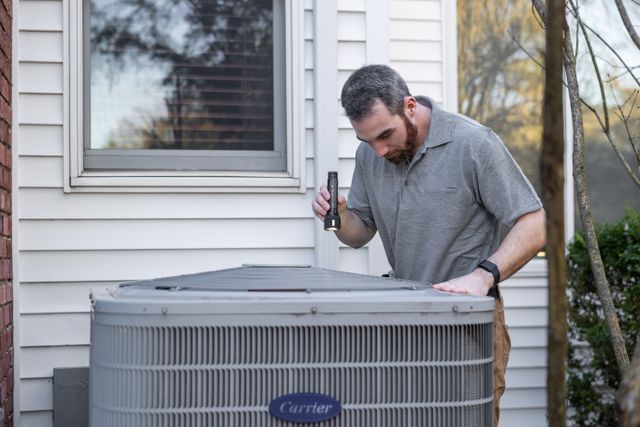
HVAC age. An aging system can create an expensive repair shortly after a tenant moves in.
Lead Paint Certification and Rental Licensing Aren't Optional
For most Maryland rental properties built before 1978, owners must register with the Maryland Department of the Environment and comply with the state's lead risk reduction requirements. Effective January 1, 2026, lead rental registrations renew every two years, while affected properties generally must meet the Full Risk Reduction Standard at every change in occupancy.
Baltimore City separately requires rental dwelling licensing and inspections. City rental licenses currently expire two years from issuance. Baltimore County and Harford County have their own requirements, so confirm the jurisdiction before closing rather than discovering a compliance problem after placing a tenant.
Understand Maryland's Landlord-Tenant Law Before You Screen a Tenant
Maryland's Renters' Rights and Stabilization Act generally limits security deposits to one month's rent, subject to certain exceptions, and requires the current Maryland Tenants' Bill of Rights to be included with residential leases. Maryland law also generally requires landlords to give at least 24 hours' written notice before non-emergency entry.

Build compliance into your process before marketing the property. Small mistakes can become expensive disputes once a tenancy begins.
Bring In a Property Manager From Day One
The owners who do best in Baltimore treat property management as part of the purchase decision, not a fallback after a bad tenant experience. Working with a professional property management company can provide a clearer picture of achievable rent, expected expenses, and leasing conditions before closing.
PMI Baltimore offers a free rental analysis with a suggested rent range and market data. Once you own the property, our management services include rent ready inspections, marketing, tenant screening, rent collection, maintenance, reporting, and lease renewals.
When consumer reports are used during screening, landlords must also follow applicable federal requirements for how that information is obtained and used.
PMI Baltimore also offers a 21-Day Leasing Guarantee, Results Guarantee, and Happiness Guarantee, subject to the terms of those programs.
Ready to Get Started With Us?
Frequently Asked Questions
Do I need a lead paint certificate for every Baltimore rowhome I buy?
If the property was built before 1978 and is covered by Maryland's lead law, it generally must be registered with the Maryland Department of the Environment and meet applicable lead risk reduction requirements before a new tenant takes occupancy. Affected properties generally need to meet the Full Risk Reduction Standard at each change in occupancy, although properties certified lead-free may be exempt from certain requirements.
Is Baltimore City rental licensing the same as Baltimore County's?
No. Baltimore City, Baltimore County, and Harford County each have their own rental licensing or registration requirements. Baltimore City requires qualifying rental properties to be inspected and licensed, while the surrounding counties use different systems. Confirm the exact jurisdiction and requirements before closing so licensing does not delay your first tenancy.
What's a realistic vacancy cost if my Baltimore rental sits empty?
At $1,650 in monthly rent, a 21-day vacancy represents roughly $1,155 in lost rental income before accounting for utilities, maintenance, financing, or other carrying costs. Vacancy can also vary by neighborhood and time of year, which is why investors should include a realistic vacancy reserve rather than assuming uninterrupted rent from day one.
Should I get a property manager involved before I close on an investment property?
It can be useful, especially if projected rent is a major part of your purchase decision. A local property manager can provide a rental analysis, identify potential leasing or maintenance concerns, and help you understand how comparable properties are performing before you commit to the purchase price and renovation budget.
Does PMI Baltimore manage properties outside the city?
Yes. PMI Baltimore manages rental properties across Baltimore City, Baltimore County, and Harford County, including areas such as Towson, Catonsville, Dundalk, Bel Air, and Aberdeen. That broader service area can also be helpful for investors comparing opportunities across multiple Baltimore-area markets rather than limiting a portfolio to the city itself.